
In industrial lifting, construction, marine operations, and even DIY projects, one small component often determines whether a load is handled safely or becomes a serious hazard—the eye bolt. Despite its simple appearance, this fastener plays a critical role in load-bearing applications, anchoring, and rigging systems. Choosing the wrong type, misusing it, or overlooking load limits can lead to costly failures or safety risks. This comprehensive guide explores everything you need to know about eye bolts, from types and materials to applications, installation, and best practices.
This article provides a complete overview of eye bolts, including their definition, types, materials, applications, and installation guidelines. It addresses common customer concerns such as load capacity, safety standards, and selection criteria. With practical tips, comparison tables, and expert insights, this guide helps you confidently choose the right eye bolt for your specific needs.
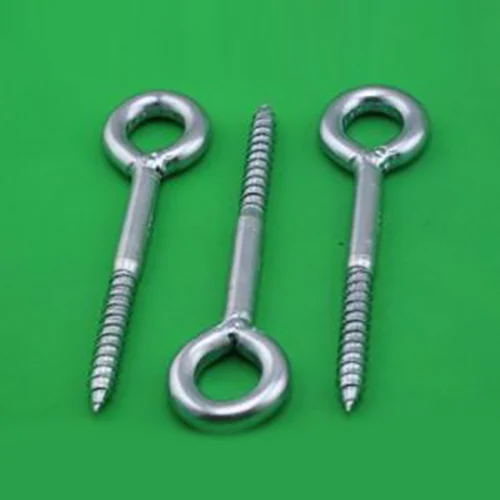
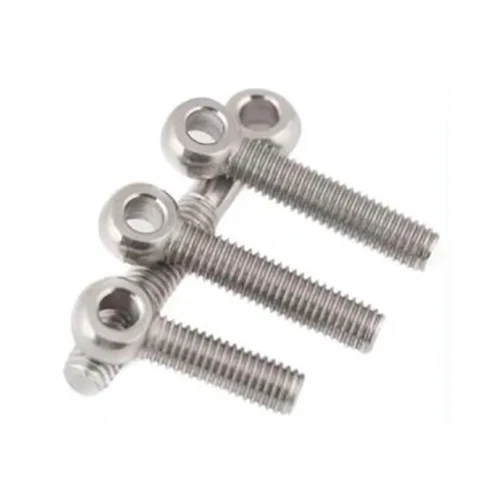
An eye bolt is a type of fastener featuring a loop (or “eye”) at one end and a threaded shaft at the other. The loop allows ropes, cables, hooks, or chains to be attached securely, making it ideal for lifting, anchoring, or guiding loads. Eye bolts are widely used in both heavy-duty industrial settings and light-duty household applications.
Depending on the design, eye bolts can handle vertical lifts, angular loads, or even dynamic forces. However, their performance depends heavily on correct selection and proper installation.
Eye bolts are essential because they serve as connection points in load-handling systems. Without reliable anchoring hardware, lifting operations would be unsafe and inefficient.
For industries such as construction, shipping, and manufacturing, using high-quality eye bolts is not optional—it is a necessity.
There are several types of eye bolts, each designed for specific applications. Understanding their differences helps prevent misuse and ensures safety.
Choosing the wrong type can significantly reduce load capacity and increase the risk of failure.
The performance of an eye bolt depends greatly on its material and surface treatment. Different environments require different materials.
Common coatings include:
Load capacity is one of the most critical factors when selecting an eye bolt. It determines how much weight the bolt can safely handle.
| Eye Bolt Type | Load Direction | Typical Strength | Recommended Use |
|---|---|---|---|
| Shoulder Eye Bolt | Angular & Vertical | High | Heavy lifting |
| Plain Eye Bolt | Vertical only | Medium | Light lifting |
| Lag Eye Bolt | Vertical | Low to Medium | Wood applications |
Always apply a safety factor (typically 4:1 or higher) to account for unexpected stress or dynamic loads.
Eye bolts are used across various industries and scenarios:
Their versatility makes them indispensable in both professional and personal settings.
Selecting the correct eye bolt involves several key considerations:
For critical applications, consulting with a trusted manufacturer such as Haiyan Bolt Co., Ltd. ensures product reliability and proper specifications.
Proper installation is essential to maximize safety and performance.
Incorrect installation is one of the most common causes of failure.
Regular inspection helps prevent accidents and prolongs the lifespan of eye bolts.
Routine maintenance is especially important in harsh environments such as marine or industrial settings.
| Feature | Shoulder Eye Bolt | Plain Eye Bolt | Lag Eye Bolt |
|---|---|---|---|
| Load Type | Angular & Vertical | Vertical | Vertical |
| Strength | High | Medium | Low |
| Best Use | Heavy-duty lifting | Light lifting | Wood applications |
| Safety Level | High | Moderate | Low |
Q1: Can eye bolts be used for angular lifting?
Yes, but only shoulder eye bolts are designed for angular loads.
Q2: What is the safest material for outdoor use?
Stainless steel or galvanized steel is recommended for corrosion resistance.
Q3: How often should eye bolts be inspected?
Inspection frequency depends on usage, but regular checks are essential for safety.
Q4: Can I reuse eye bolts?
Only if they show no signs of wear or damage and meet safety standards.
Q5: What happens if an eye bolt is overloaded?
Overloading can cause deformation, thread failure, or complete breakage.
Eye bolts may appear simple, but their role in lifting and securing loads is critical. From selecting the right type and material to ensuring proper installation and maintenance, every step matters in achieving safe and efficient operations.
If you are looking for reliable, high-quality eye bolts tailored to your specific needs, Haiyan Bolt Co., Ltd. offers a wide range of precision-engineered fastening solutions. Contact us today to get expert guidance and ensure your next project is built on safety and strength.