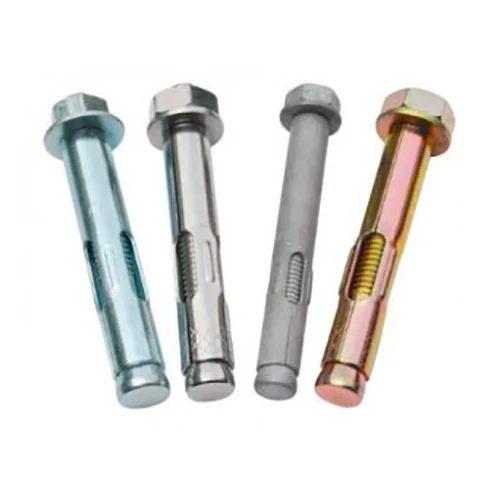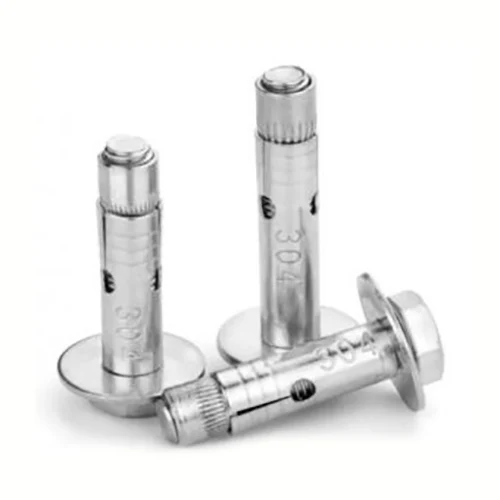

Sleeve anchor is a kind of fastening device widely used in the construction and decoration industry. Here is a detailed introduction:
Structure: A sleeve anchor typically consists of a bolt, a sleeve, and a nut. The sleeve is usually made of metal or plastic and has a tapered or expandable design. The bolt passes through the sleeve and is secured with a nut.
Working Principle: When the nut is tightened, the bolt pulls the sleeve, causing it to expand or deform. This expansion creates a clamping force that anchors the device into the substrate, such as concrete, brick, or wood, providing a secure fastening point.
Concrete Sleeve Anchors: These are designed specifically for use in concrete substrates. They are often made of high - strength steel and can provide excellent holding power. They come in various sizes and lengths to suit different applications.
Masonry Sleeve Anchors: Similar to concrete sleeve anchors, but designed for use in masonry walls. They may have different thread patterns or coatings to better grip the masonry material.
Plastic Sleeve Anchors: Usually made of nylon or other plastic materials, these are lightweight and suitable for lighter - duty applications, such as hanging pictures or small shelves on walls. They are often used in drywall or other relatively soft substrates.
High Strength and Reliability: Sleeve anchors can provide a strong and stable fastening, capable of withstanding significant loads. This makes them suitable for a wide range of applications, from securing heavy machinery to hanging large - format signs.
Easy Installation: Installing sleeve anchors is relatively straightforward. It typically requires only a drill to create a hole in the substrate, and then the anchor is inserted and tightened. This simplicity reduces installation time and labor costs.
Versatility: They can be used in different types of substrates and are available in various sizes and configurations to meet different fastening requirements. Whether it's a small - scale DIY project or a large - scale construction job, there is likely a sleeve anchor suitable for the task.
Construction Industry: In building construction, sleeve anchors are used to secure structural components, such as steel beams, columns, and wall panels, to concrete or masonry foundations. They are also used in the installation of doors, windows, and curtain walls.
Industrial Applications: In factories and industrial settings, sleeve anchors are employed to fasten machinery, equipment, and storage racks to the floor or walls. This ensures the stability and safety of the installations, even in high - vibration environments.
Residential Use: Around the home, sleeve anchors are handy for hanging heavy objects like flat - screen TVs, bookshelves, and cabinets. They provide a secure attachment point, giving homeowners peace of mind that their belongings will stay in place.
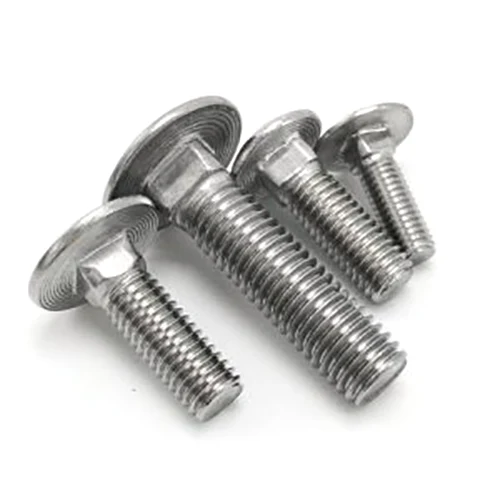
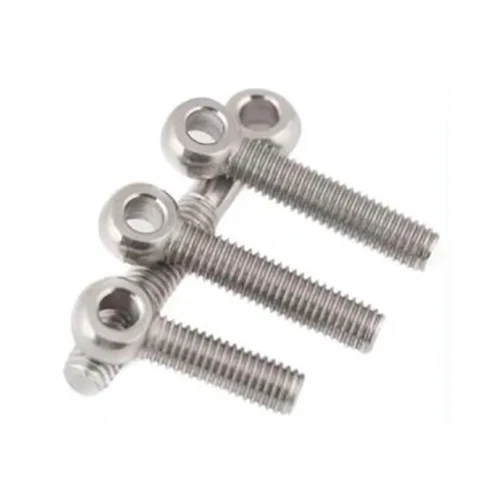
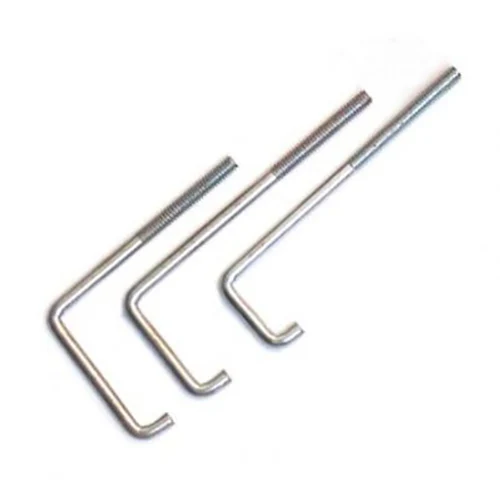
M6-M24 Fastener sleeve anchor Expansion Anchor Bolt
HAIYAN BOLT provide both carbon/alloy steel, and stainless steel wedge anchor.
Size: from M6 to M24
Surface: zinc plated white or yellow, plain polished.