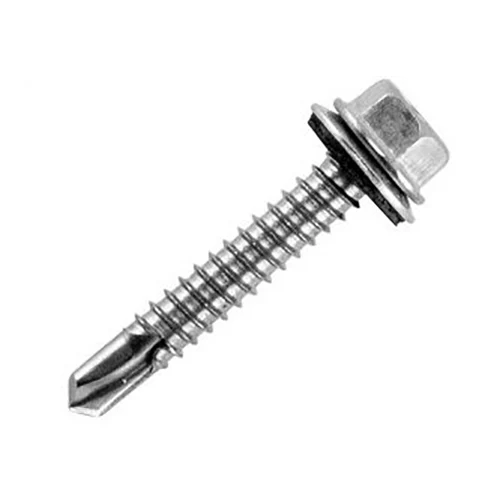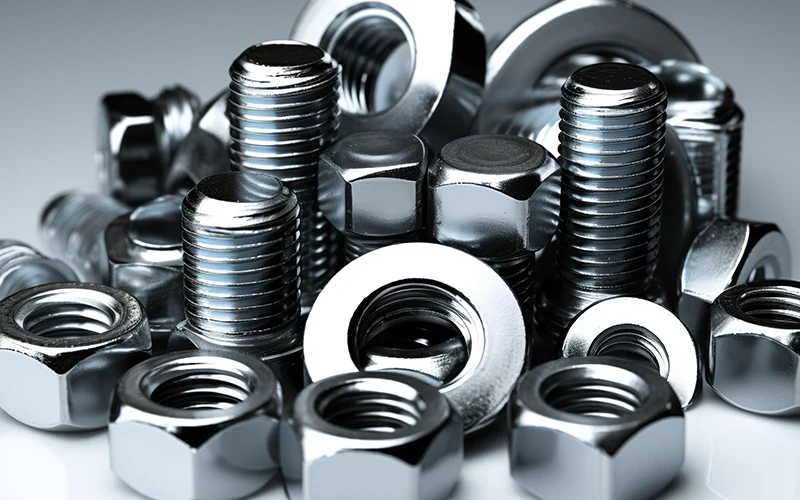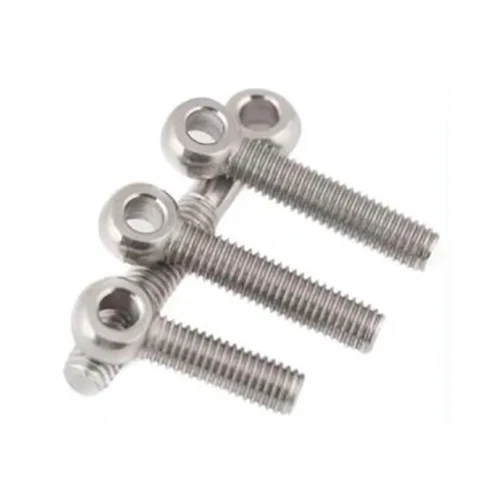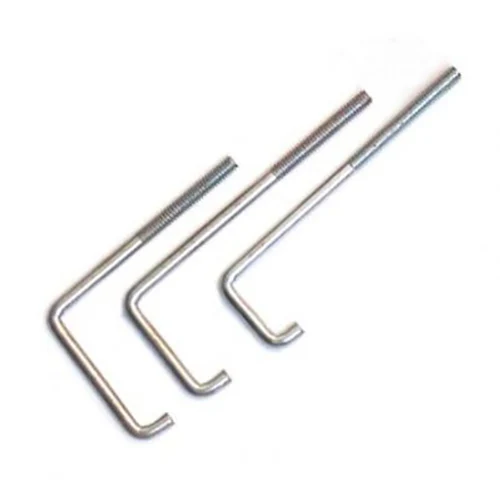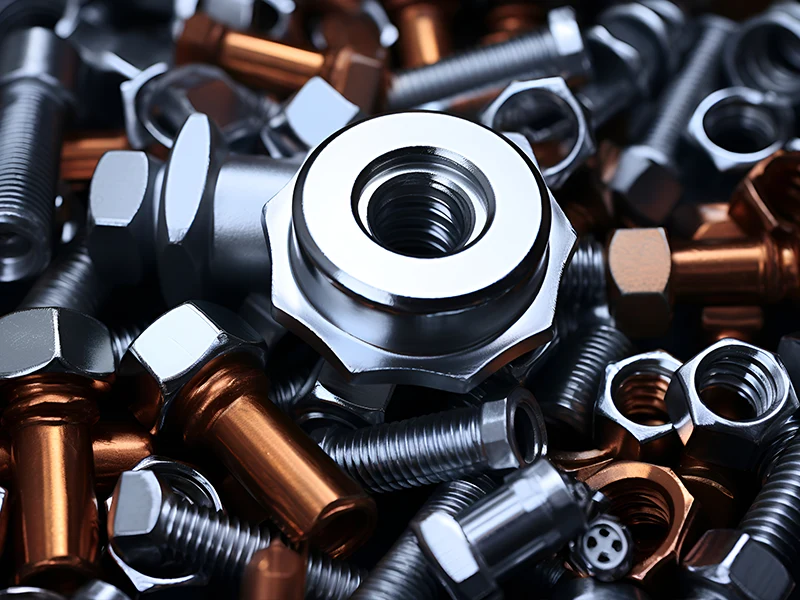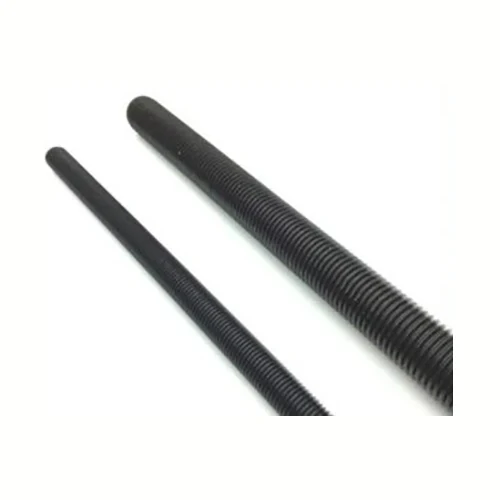
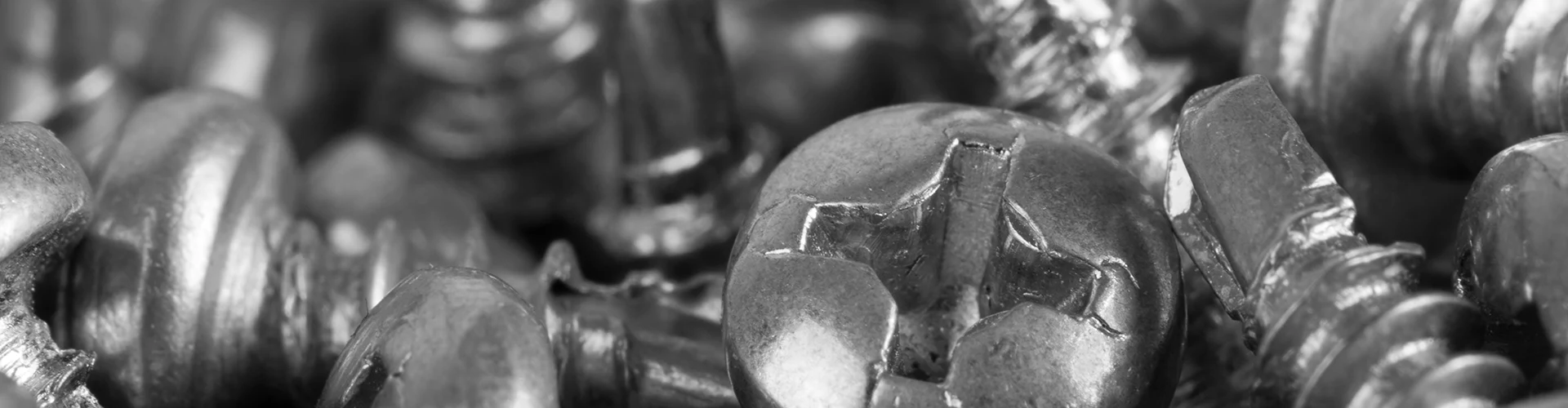
Self drilling screws are a type of fastener that combines the functions of drilling, tapping, and fastening into a single operation. Here is a detailed introduction:
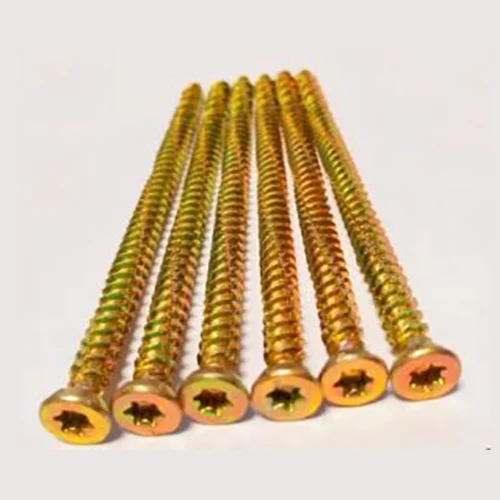
Integrated Design: Self drilling screws have a unique design that features a sharp point at the tip, which allows them to easily penetrate the material without the need for a pre - drilled hole. Behind the point, there is a threaded section that serves to fasten the materials together once the screw is inserted.
High - Strength Material: They are typically made of high - quality steel or other alloys to ensure sufficient strength and durability. Some self drilling screws may also be coated with materials such as zinc or other anti - corrosion coatings to enhance their resistance to rust and corrosion, making them suitable for use in various environments.
Drilling: When the self - drilling screw is rotated and applied with appropriate force, the sharp tip acts like a drill bit, cutting through the material. The spiral grooves on the screw shank help to remove the cut - off material as the screw penetrates deeper.
Tapping: As the screw continues to be driven in, the threads on the screw create corresponding internal threads in the material, effectively tapping the hole. This process forms a tight connection between the screw and the material, providing a strong fastening effect.
Fastening: Once the screw is fully inserted, the threaded portion holds the two or more materials together firmly, preventing them from separating. The self - drilling and tapping process ensures a snug fit, which is especially important in applications where a secure and reliable connection is required.
Construction Industry: They are widely used in the construction of buildings, including the installation of metal frames, roofing, and siding. Self drilling screws provide a quick and efficient way to attach these components, reducing construction time and labor costs.
Manufacturing and Machinery: In the manufacturing of machinery and equipment, self drilling screws are used to assemble various parts. They are particularly useful when working with thin - walled materials or when access for pre - drilling and tapping is limited.
Automotive Industry: Self drilling screws are also employed in the automotive industry for tasks such as attaching body panels, interior trim, and other components. Their ability to create a secure connection without the need for extensive pre - processing makes them a preferred choice in many automotive assembly operations.
Self drilling screws offer a convenient, efficient, and reliable fastening solution in many different fields, contributing to increased productivity and improved quality in various applications.
Standard: DIN7504, ASME, BS, etc
1. Stainless Steel: SUS201, SUS304, SUS316, SUS410
2. Carbon Steel: C1006, C1008, C1010, C1018, C1022, C10B21, C10B33, C1035, C1045, C435#, 40CrMo.
Diameter: M4, 5, 6, 8, 10, 12, 16, 18, 20, 24, 27 (3/16, 1/4, 5/16, 3/8, 1/2, 5/8 and 3/4-inch)
Length: 30mm to 200mm
3. Finish: polish plain, passivate, zinc plated, nickel, color.
4. Drive: ST2.2-ST6.3
5. Head type: pan, flat, round, oval, truss, hex, socket, button
6. Driver type: slotted, phillips, pozi-drive, indented hex, hex, socket, square, snake eye, socket pin, tri-wing, torq-set, torx, spline, polydrive, pentalobular, one-way
7. Thread type: AB, A, B, BP, C, D or 1, F, G, T, BF, BG or H, BZ or 25, U, Standard.
8. Packing: small boxes in carton then into pallet.