
How to choose qualified suppliers of expansion pipes, assemblies, nuts, bolts and fasteners for construction sites?
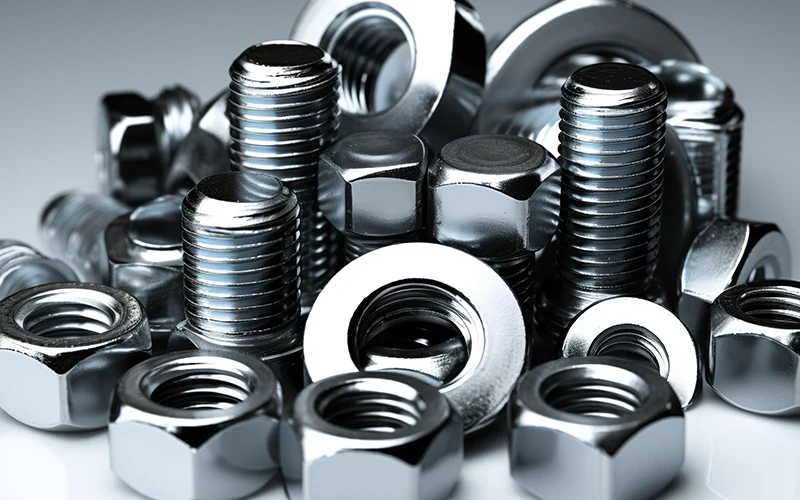
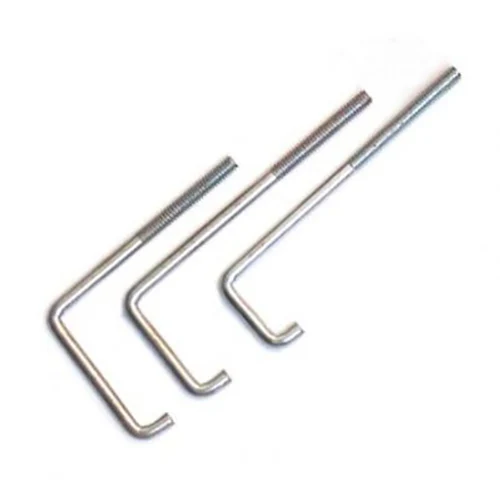
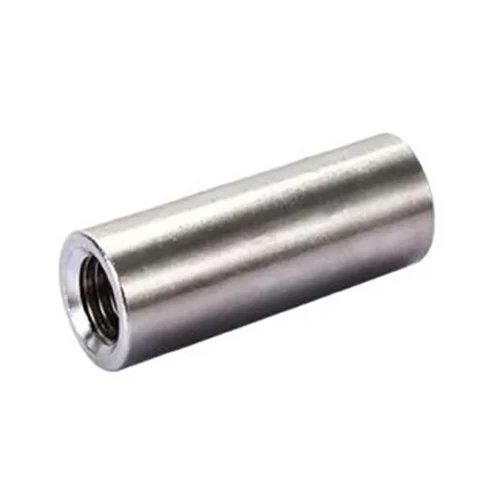
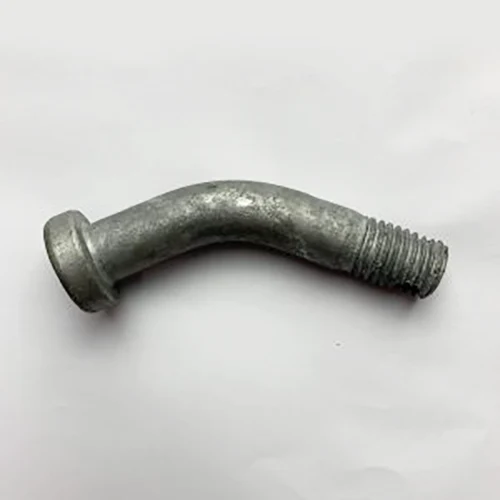
Non standard custom manufacturers - In the field of construction engineering, although expansion pipes, composite components, nuts, and bolt fasteners are small, they are related to the overall structural safety. Choosing a qualified screw supplier requires comprehensive consideration from three dimensions: technical compatibility, quality controllability, and service adaptability.
Non standard customized manufacturers - technical compatibility is the basic screening criterion. There are clear requirements for the tensile strength and anti-corrosion grade of screw fasteners in different building parts. For example, high-strength bolts with a grade of 8.8 or above are required for steel structure connections, while the weather resistance of stainless steel material is more important for curtain wall fixation.
Nut suppliers should be able to provide technical parameter certificates that comply with GB, ASTM, or ISO standards, and have the ability to recommend suitable products based on construction drawings.
Non standard customized manufacturers can conduct on-site inspections of suppliers' testing equipment configurations, especially the usage records of torque testers and salt spray testers, to visually assess their technical support capabilities.

Non standard customized manufacturers - quality controllability needs to be systematically verified. Suggest requesting suppliers to provide third-party testing reports for the past two years, with a focus on key indicators such as fatigue strength and hydrogen embrittlement risk.
Screws - Construction sites can adopt a "small batch trial+destructive sampling" approach, such as randomly selecting 5% of samples for torque testing until fracture, and observing whether their failure modes meet expectations.
Nut manufacturers - while verifying the raw material procurement channels of screw suppliers, screw suppliers directly supplied by large steel screw factories are usually more trustworthy. Establish a traceable batch management system to ensure that each bolt can be traced back to the production date and quality control personnel. screw
Nut manufacturers - service adaptability directly affects construction efficiency. Evaluate whether the spot stock of screw suppliers can meet sudden replenishment needs, and maintain a supply buffer of 3-5 days for regular models. In terms of logistics, suppliers in densely built areas such as the Yangtze River Delta and Pearl River Delta should have the ability to deliver on the same day.
Stamping and welding parts manufacturers - in terms of payment methods, priority should be given to suppliers who accept a 30 day payment term to alleviate financial pressure. Special attention should be paid to the after-sales response speed of screw suppliers. For quality issues with standard parts, a return and exchange plan should be provided within 24 hours, and for technical inquiries with non-standard parts, a professional response should be given within 4 hours.
Stamping and welding parts manufacturers - it is recommended to establish a hierarchical management system for screw suppliers: quantify and score indicators such as technical qualifications, quality stability, and delivery timeliness, and retain 3-5 A-class suppliers to form a healthy competition.
Nut manufacturers - regularly review the factory certification status of screw suppliers, and promptly issue warnings if ISO9001 certificates are approaching expiration. By setting up a public notice board for screw suppliers on the construction site, the quality inspection results of each batch can be visualized, forcing screw suppliers to continuously improve.