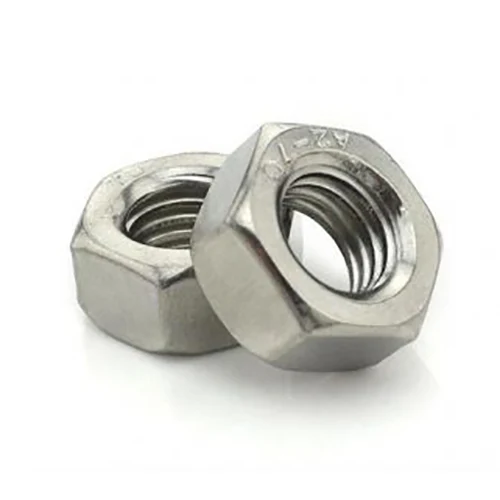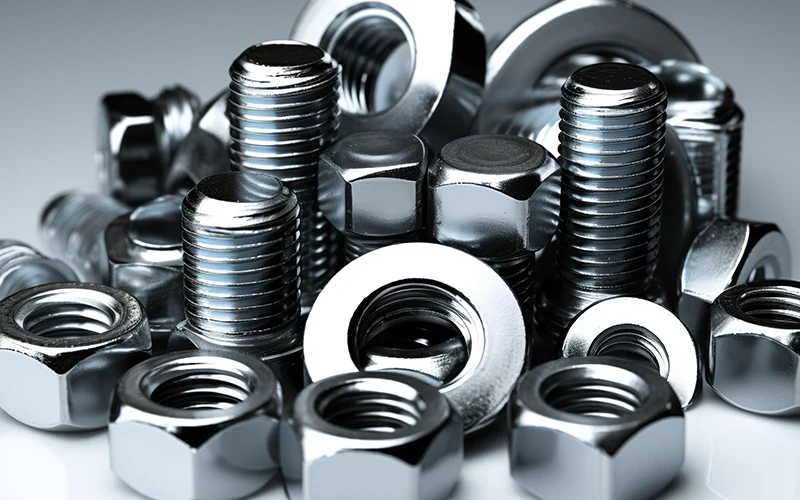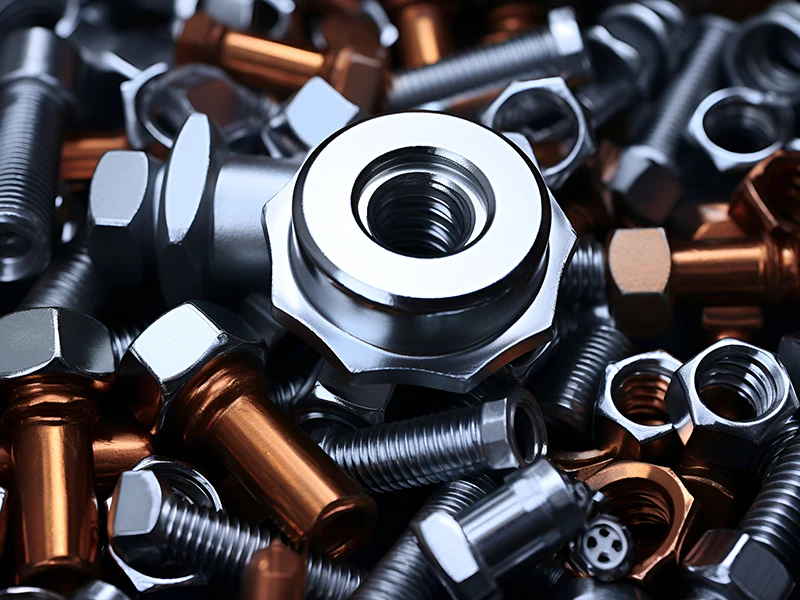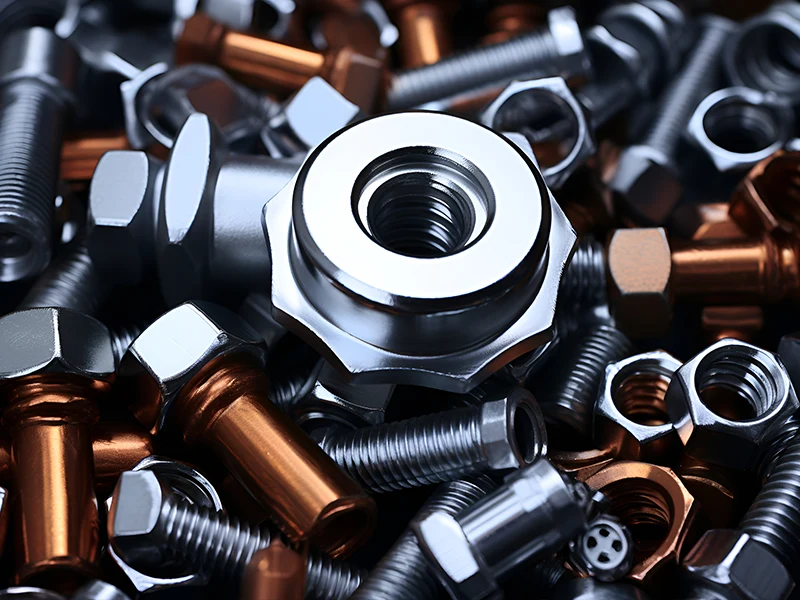
A hex nut, also known as a hexagonal nut, is a commonly used fastener in the field of mechanical engineering and construction. Here is a detailed introduction:
A hex nut is a six - sided polygon - shaped nut, with a regular hexagonal cross - section. It has a threaded hole in the middle, which is used to match with a bolt or screw of the same specification. The threads inside the nut are precisely machined to ensure a tight and reliable connection with the corresponding threaded fastener.
Hex nuts are typically made of various metals, such as carbon steel, stainless steel, and alloy steel. Carbon steel hex nuts are widely used due to their good mechanical properties and relatively low cost. Stainless steel hex nuts are highly resistant to corrosion, making them suitable for applications in harsh environments, such as in the marine industry or in outdoor settings where exposure to moisture and chemicals is common. Alloy steel hex nuts offer enhanced strength and durability, which are required in high - stress applications. In addition, some hex nuts may be made of non - metallic materials like plastic or nylon for specific purposes, such as in applications where electrical insulation or light weight is desired.
Hex nuts are widely used in many industries and applications. In mechanical equipment, they are used to connect various components together, such as in the assembly of engines, machinery frames, and automotive parts. In construction, hex nuts are essential for fastening structural members, such as in the construction of buildings, bridges, and towers. They are also commonly used in furniture manufacturing, electronics, and many other fields to ensure the stability and reliability of connections.
The hexagonal shape of the hex nut provides several advantages. Firstly, it allows for easy gripping and turning with a wrench or other tools. The six - sided design provides more contact points and better torque transmission compared to other shapes, making it easier to tighten or loosen the nut. Secondly, the regular hexagonal shape ensures a uniform distribution of force around the threaded connection, which helps to prevent the nut from loosening under vibration or dynamic loads. This makes hex nuts a reliable choice for maintaining secure connections in various applications.
In summary, the hex nut is a fundamental and versatile fastener that plays a crucial role in many industries and applications, contributing to the stability and reliability of mechanical and structural assemblies.
1,Standard: DIN934,A194-2H/DH,A563 A,ANSI B 18.2.2
2,Thread: UNC,UNF
3,Material: Stainless Steel / Carbon Steel ,low carbon steel(mild steel), middle carbon steel, alloy steel, stainless steel (SS201, SS304, SS316),and brass, aluminium alloy.
4,SAE Class: 2,5.8 ASTM A194 2H. Metric from 4 to 10
5,Metric Size: M5 M6 M8 M10 M12 M14 M16 M18 M20 M22 M24 M27 M30 M33
Inch size: 1/4”,3/8”,1/2”,5/8”,3/4”,7/8”,1”,1-1/4”,1-1/2”,2”,2-1/4”
6,Surface finish: Plain finish,Black ,Black Oxide, Black Zinc Coating,Hot Dip Galvanized(HDG), Zinc Plated, Yellow ZP,Brass coating, Nickle plated , Chrome plating, Dacromat, Geomet, etc.
7,Packing: 20-25kg Carton+Pallet (bulk packing OR small box packing)