
Email Us
News

What Is a Hanger Bolt and Why Does It Matter in Modern Fastening Systems?

2026-05-07 0 Leave me a message

Hanger bolts are a unique type of dual-threaded fastener designed to connect wood to metal or wood to wood with high stability and precision. This article explores everything you need to know about hanger bolts, including their structure, working principle, applications, installation methods, and selection criteria. Whether you are in furniture manufacturing, construction, or DIY woodworking, understanding hanger bolts can significantly improve the durability and reliability of your assemblies. This guide also highlights common challenges users face and provides practical solutions to ensure long-term performance.

Hanger bolts


What Is a Hanger Bolt?

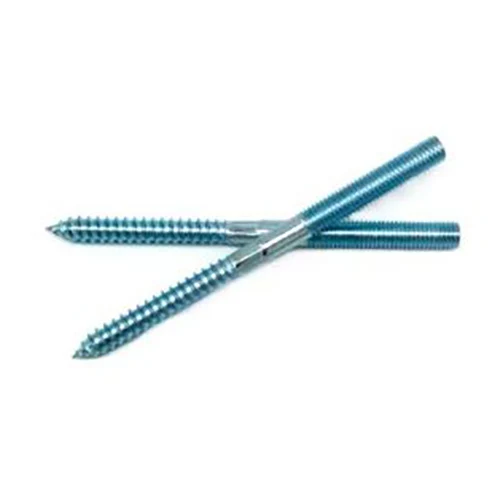
A hanger bolt is a specialized fastener that features two different thread types on each end. One end is designed with a wood screw thread, while the other end is machine-threaded. This dual-thread configuration allows the bolt to be securely anchored into wood while providing a strong external connection point for metal components, brackets, or hardware.

Unlike standard bolts or screws, hanger bolts eliminate the need for nuts on the wood side, making them ideal for concealed or semi-concealed fastening systems. They are widely used in furniture assembly, structural framing, and mechanical installations where a clean and stable connection is required.

  • Wood-threaded end: self-tapping into timber materials
  • Machine-threaded end: accepts nuts or threaded components
  • Hex or slot drive: used for installation tools

How Does a Hanger Bolt Work?

The working principle of a hanger bolt is based on dual-material engagement. The wood-threaded side anchors deeply into timber, creating friction and mechanical grip. Once secured, the machine-threaded side protrudes outward, acting as a standard bolt for attaching metal brackets, washers, or structural components.

This design ensures a strong hybrid connection between soft materials like wood and rigid materials like steel. It also distributes load evenly, reducing the risk of loosening over time.

  • Step 1: Drill a pilot hole into the wood
  • Step 2: Insert the wood-threaded end
  • Step 3: Tighten using a driver tool
  • Step 4: Attach external component to machine thread

Types, Materials, and Surface Finishes

Hanger bolts come in various materials and coatings depending on their application environment. Selecting the right type ensures durability, corrosion resistance, and mechanical strength.

Common Materials

  • Carbon steel: cost-effective and widely used in indoor applications
  • Stainless steel: high corrosion resistance for outdoor use
  • Alloy steel: enhanced strength for heavy-duty applications

Surface Finishes

  • Zinc plated: basic corrosion resistance
  • Black oxide: improved aesthetic and mild protection
  • Hot-dip galvanized: heavy-duty outdoor protection

Key Applications Across Industries

Hanger bolts are used in a wide range of industries due to their hybrid fastening capability. Their ability to connect dissimilar materials makes them extremely versatile.

  • Furniture manufacturing: bed frames, tables, cabinets
  • Construction: wooden framing, structural supports
  • Solar installations: mounting systems on wooden bases
  • Automotive interiors: wood-metal hybrid components
  • DIY projects: custom woodworking assemblies

Installation Guide Step by Step

Proper installation of hanger bolts is critical to achieving maximum strength and stability. Incorrect installation can lead to stripping, loosening, or structural failure.

Step-by-Step Process

  • Measure and mark the installation point carefully
  • Drill a pilot hole slightly smaller than the wood-threaded diameter
  • Apply wood adhesive if additional strength is needed
  • Insert the hanger bolt using a wrench or driver tool
  • Ensure the machine-threaded end remains exposed correctly
  • Attach the external component and tighten securely

A common mistake is skipping the pilot hole, which can cause wood splitting or reduced grip strength.


Common Problems and Solutions

Despite their simplicity, hanger bolts can present installation and performance challenges if not used properly.

  • Problem: Loose fit in wood
    Solution: Use correct pilot hole size and consider wood adhesive
  • Problem: Corrosion in outdoor environments
    Solution: Use stainless steel or galvanized versions
  • Problem: Stripped wood threads
    Solution: Avoid over-tightening and ensure proper alignment
  • Problem: Misalignment during installation
    Solution: Use a guide tool or jig for precision

How to Choose the Right Hanger Bolt

Selecting the correct hanger bolt depends on load requirements, environmental conditions, and material compatibility.

Selection Criteria

  • Load capacity: light, medium, or heavy-duty
  • Material compatibility: wood type and metal interface
  • Environmental exposure: indoor vs outdoor use
  • Thread size and length requirements
  • Corrosion resistance level
Application Recommended Material Finish Type
Indoor furniture Carbon steel Zinc plated
Outdoor structures Stainless steel Galvanized
Heavy industrial use Alloy steel Hot-dip galvanized

Durability and Maintenance Tips

Hanger bolts are generally low-maintenance, but periodic inspection ensures long-term performance and safety.

  • Check for loosening every 6–12 months
  • Inspect for corrosion in exposed environments
  • Re-tighten if necessary using appropriate tools
  • Replace damaged bolts immediately

Proper maintenance significantly extends service life and ensures structural reliability in both static and dynamic loads.
Comparison With Other Fasteners

Understanding how hanger bolts compare with other fastening systems helps in selecting the right solution for your project.

Fastener Type Strength Best Use Limitation
Hanger Bolt High Wood-to-metal connections Requires precise installation
Wood Screw Medium Wood-only applications No external threading
Machine Bolt High Metal-to-metal joints Requires nut access

Frequently Asked Questions

Q1: Can hanger bolts be reused?
Yes, but repeated removal may weaken the wood threads over time.

Q2: Do hanger bolts require nuts?
Only on the machine-threaded end; the wood side does not require a nut.

Q3: What is the strongest material option?
Stainless steel or alloy steel provides the highest strength and durability.

Q4: Can they be used outdoors?
Yes, but corrosion-resistant finishes are recommended.

Q5: What happens if the pilot hole is too large?
The bolt may loosen and lose holding strength in the wood.


Conclusion and Contact Information

Hanger bolts play a crucial role in modern fastening systems, offering a reliable bridge between wood and metal components. Their dual-thread design provides strength, flexibility, and efficiency in countless applications, from furniture production to industrial construction.

Choosing the right material, ensuring proper installation, and following maintenance best practices can significantly enhance performance and lifespan. Whether for professional engineering or personal DIY projects, hanger bolts remain a dependable fastening solution.

For high-quality hanger bolts and customized fastening solutions, Haiyan Bolt Co., Ltd. provides reliable manufacturing expertise and consistent product quality tailored to global industrial needs.

If you are looking for stable supply, technical support, or customized specifications, feel free to contact us to discuss your requirements and get professional assistance for your fastening projects.

Related News
Leave me a message
Mobile
+86-573-86856870
Address
No. 883 Lianxiang Road, Wuyuan Town, Haiyan, Zhejiang Province, China
X
We use cookies to offer you a better browsing experience, analyze site traffic and personalize content. By using this site, you agree to our use of cookies. Privacy Policy
Reject Accept