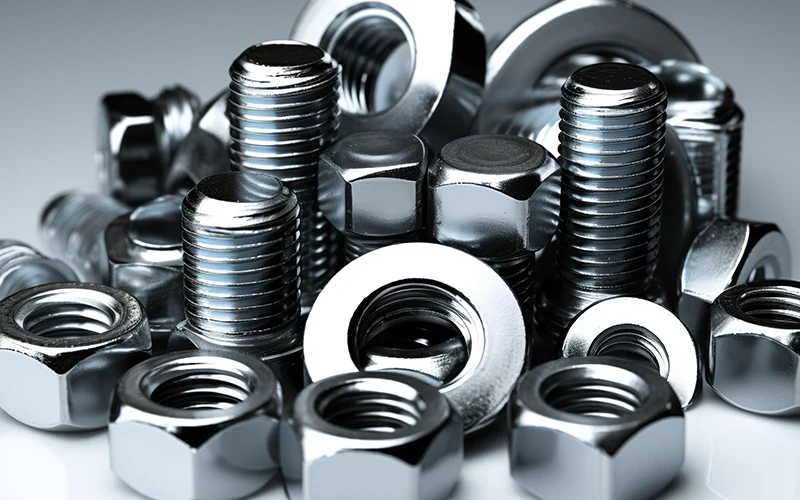

Threaded Rod and Stud - Introduction to the Advantages of Screws and Nuts
We have provided detailed information about screws and nuts for everyone before. Threaded rods and bolts therefore know where they are used. Can you explain the advantages of screws and nuts below? If interested, you can then read down.
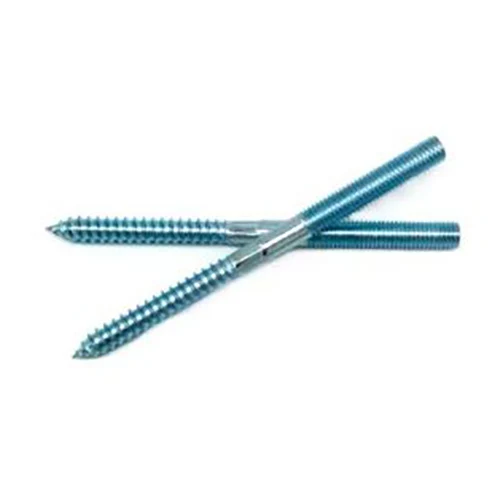
Threaded Rod and Stud - When it comes to this type of screw nut, I believe everyone is familiar with it and it is quite common in daily life. In fact, there is a lot of relevant information that everyone needs us to master when using it.
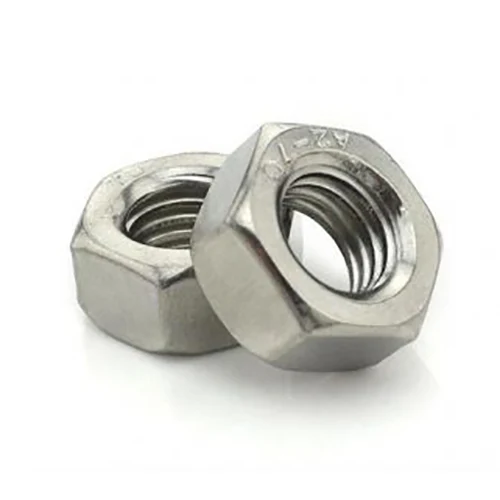
The advantages of screws and nuts are wear resistance and cutting resistance. Due to the 30 ° slope at the lower end, the locking force of the nut is jointly distributed throughout the entire thread of each tooth.
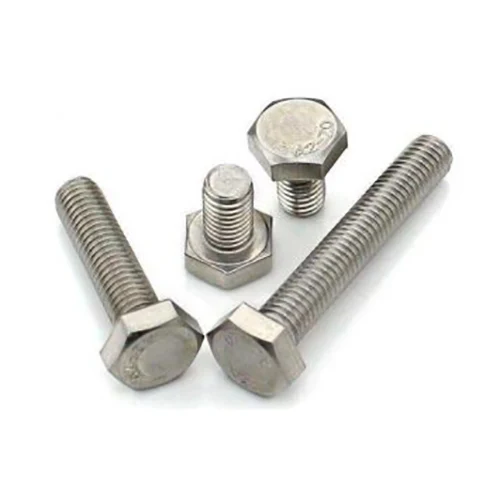
Flange hexagon bolt - because the working pressure distribution on the thread surface of each tooth is uniform, it can more effectively deal with thread damage and drilling deformation problems.
Flange hexagon bolt - the durability is really good. After tightening, the thread of the foot screw is firmly inserted into the 30 ° wedge angle of the nut and tightened, generating a normal force at the wedge angle. At this point, you will find that this is basically consistent with the normal force in the steep slope of the lifting wedge.
Hexagonal socket bolt - the axis of the leg is viewed at a 60 ° angle instead of a 30 ° angle, resulting in a much higher normal force due to reduction. Internal hexagon bolt is a standard product with good tightening and impact resistance. Another important point is the good reusability of screws and nuts.
If the hexagonal cone cap nut is used in large quantities, even if the nut is tightened and loosened several times, the locking force is not easily reduced, and the previous locking effect can be maintained. The hexagonal cone cap nut lock has good corrosion resistance and laser cutting resistance.