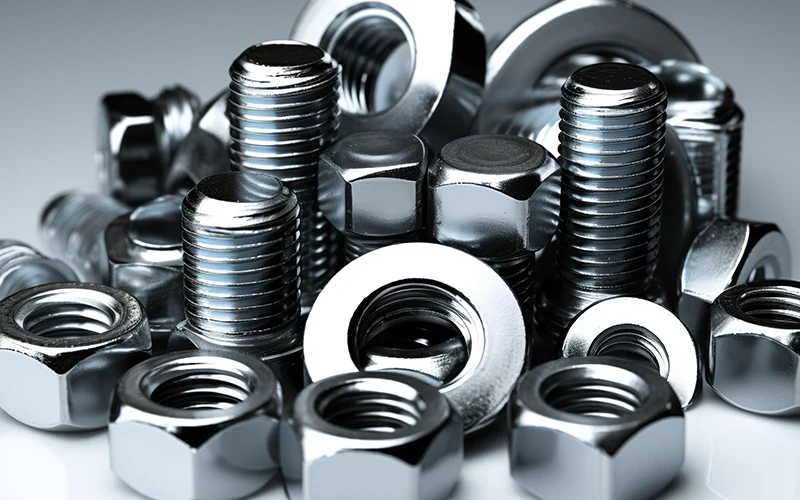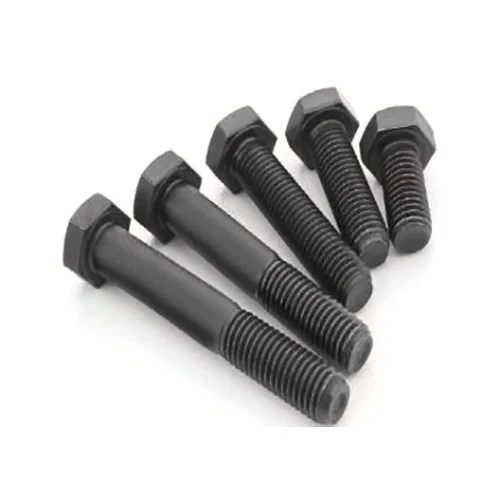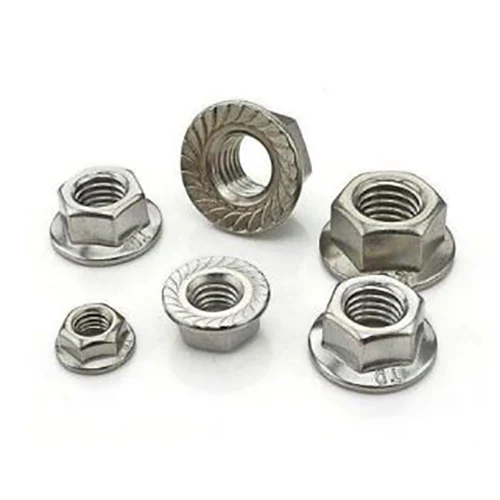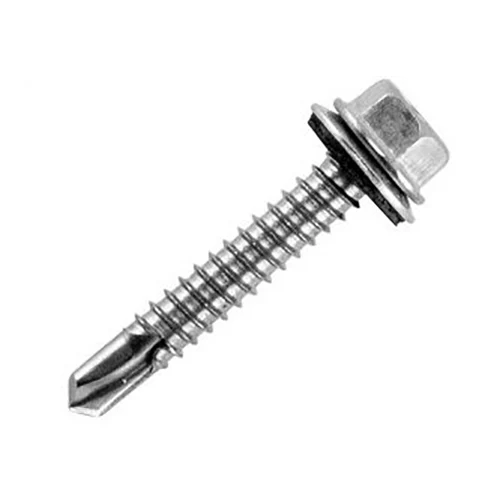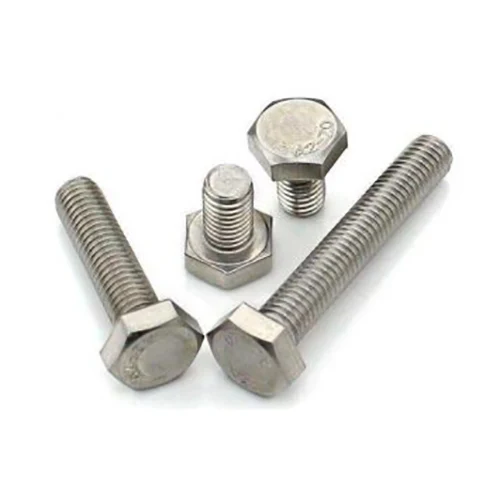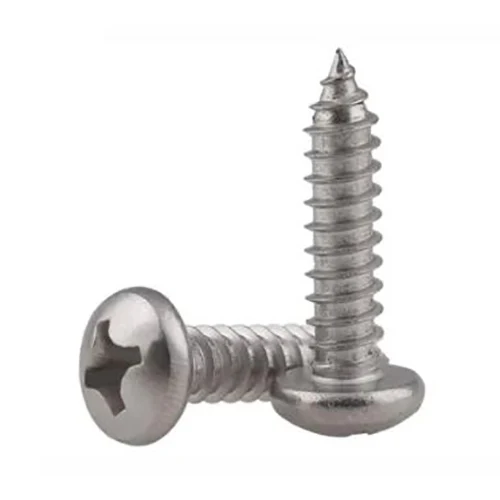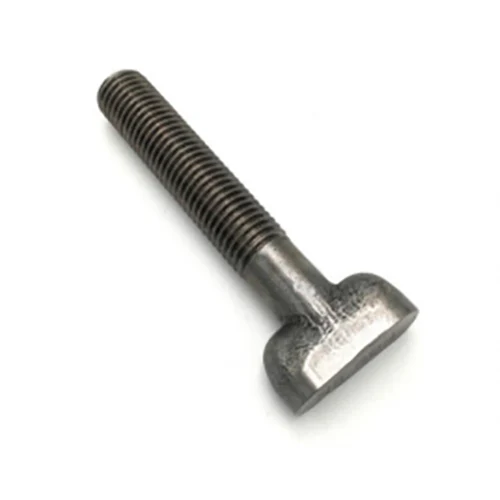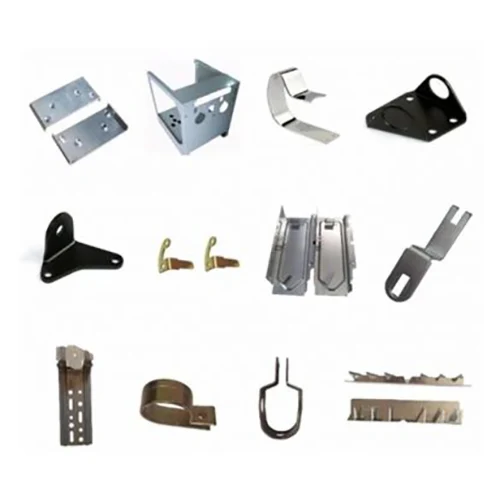

Threaded rods and bolts - Stainless steel fasteners are a special term concept that covers a wide range of products
Stainless steel fasteners are commonly used to fasten expensive machine parts due to their aesthetic appeal, durability, and strong corrosion resistance.
What is the reason for locking stainless steel fasteners with threaded rods and studs? What are the methods for tightening stainless steel fastener bolts? Now let's introduce the eyebolt:
Reasons for locking of threaded rods and bolts - stainless steel fasteners:
Stainless steel fasteners often experience thread wear (or "tightening"). These types of metal alloys have anti rust properties.
Stamped and welded parts - When the surface is damaged, a thin layer of oxide will form on the metal surface to prevent further corrosion.
Stamped parts&welded parts - When stainless steel fasteners are locked, the pressure and heat generated between the tooth lines will damage and erase the chromium oxide layer, causing the metal tooth lines to be directly blocked/sheared, and then continue to adhere (usually not exceeding one full circle of the complete tooth diameter), which will completely lock the stainless steel fasteners and cannot be removed or locked again.
Stamping and welding parts - Typically, this series of blocking, shearing, adhesion, and locking actions only occur within a few seconds.
Stamping and welding parts - Understanding the characteristics of stainless steel products and following the correct operating procedures is an important step in preventing stainless steel fasteners from locking. External reasons for the locking of eyebolt products:
Eye bolt - Before using the product without proper selection, confirm whether the mechanical properties of the eye bolt product can meet the usage requirements (such as the tensile strength of the screw and the safe load of the nut).
Eye bolt - The length of the screw should be selected appropriately, based on one to two pitches of the nut exposed after tightening.
Eye bolt - If the tooth line is rough or there are foreign objects stuck, such as welding points and other metal shavings mixed into the tooth line, it often leads to locking.
Flange hex bolt - If the force is too high or the locking speed is too fast, try to use a torque wrench or socket wrench, and avoid using a adjustable wrench or electric wrench. Because electric wrenches often cause excessive locking speed, rapid temperature rise, and locking.
Flange hexagon bolt - nuts with incorrect force direction and angle need to be tightened perpendicular to the screw axis. Do not tilt.
Flange hex bolt - using a washer without a washer/retaining ring can effectively prevent the problem of excessive locking.